For weather enthusiasts, having a reliable home weather station is one of the most rewarding investments you can make. Whether you want to track local temperature trends, anticipate storms, or simply indulge your curiosity, a well-chosen station can turn your backyard into a personal weather observatory. But with so many models available, it can be difficult to know where to begin. This guide will help you understand what to look for when choosing a home weather station that fits both your needs and your budget.
Understanding What a Home Weather Station Does
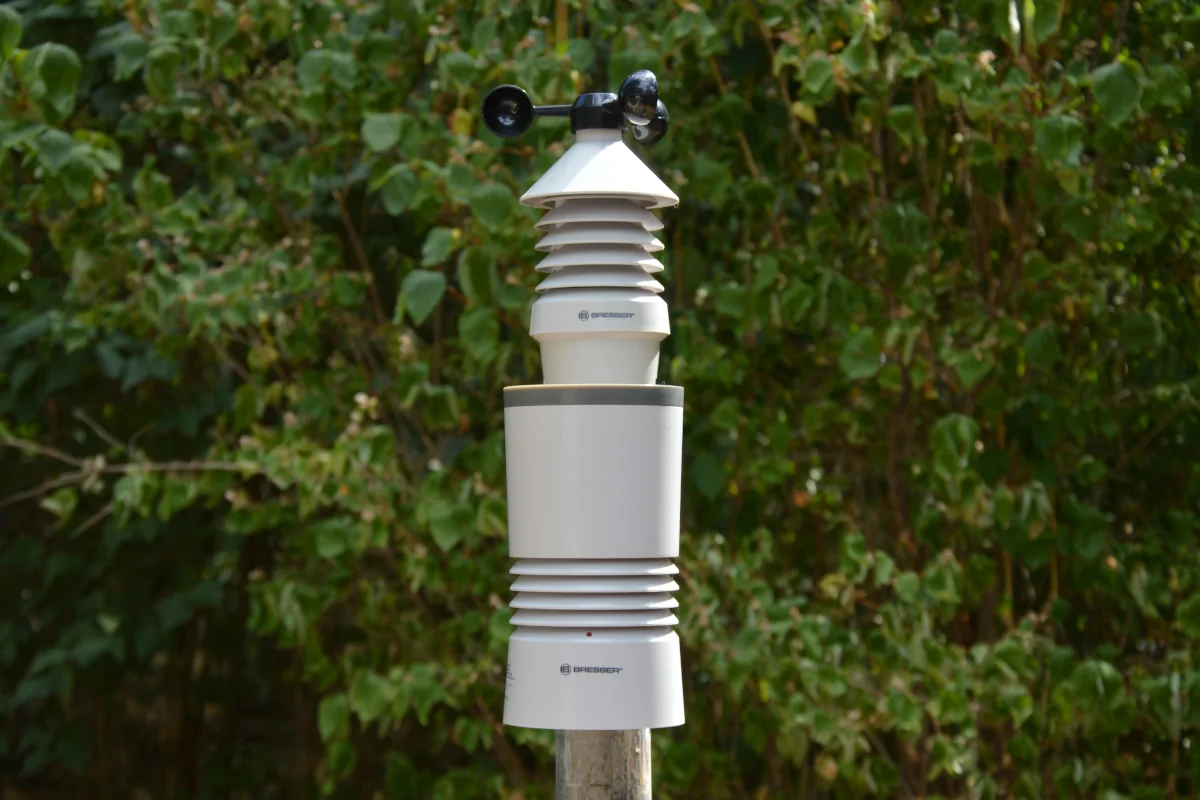
A home weather station is a collection of sensors that measure and record various meteorological data points. At a minimum, most stations track temperature, humidity, and barometric pressure. More advanced models add wind speed, wind direction, rainfall, UV radiation, and even solar radiation sensors. The data can be displayed on a console, a smartphone app, or uploaded online for comparison with national weather data.
If you want to explore official weather data for your area, check the National Weather Service and the NOAA Climate Data Online tools for historical and live readings. Comparing your results with these can help you verify accuracy and understand local patterns.
Determine Your Main Goals
Before you buy, ask yourself what you really want from a weather station. There are three common types of users:
- Casual Observers:
These users want to know the temperature, humidity, and rainfall in their immediate area. A basic station under $100 may be sufficient. - Amateur Meteorologists:
Hobbyists who enjoy detailed analysis should look for stations with expanded sensor arrays and internet connectivity to upload data to networks like Weather Underground. - Serious Data Trackers:
If you plan to collect long-term climate data or integrate your system into smart home setups, higher-end stations with replaceable sensors and software integration are ideal. With your own personal weather station, you can integrate it’s data with data provided by the National Weather Service to track and predict short-term weather forecasts for your area using short-term weather models discussed here.
Key Features to Consider for Your Home Weather Station
1. Sensor Accuracy
Accuracy is the heart of any good home weather station. Look for sensors with small margins of error, typically within ±1°F for temperature and ±5% for humidity. Reputable brands will publish their accuracy specifications.
2. Wireless Range and Connectivity
Most stations today use wireless transmission to send data from the outdoor sensors to an indoor console. Check the range—typically between 300 and 1000 feet—and ensure it can transmit through walls if necessary. Some stations use Wi-Fi to upload data to online platforms, which is especially useful for remote monitoring.
3. Power Source
Outdoor sensors are usually battery-powered or solar-assisted. Solar power extends battery life and ensures reliable operation during long-term monitoring.
4. Ease of Installation
The best results come from proper sensor placement. For example, temperature sensors should be shaded and elevated, while rain gauges should be level and free from obstructions. Many brands provide mounting kits to simplify setup.
5. Expandability of Your Home Weather Station
Some systems allow you to add sensors over time. This flexibility can be valuable if you start small but want to grow your setup later.
6. Data Access and Software
Choose a system that offers both local data display and online logging. Advanced users might prefer models that export data in formats compatible with spreadsheets or software like Weather Display.
Popular Brands and Models to Consider for Your Home Weather Station
A few manufacturers dominate the home weather station market, each catering to different budgets and experience levels.
AcuRite
Best known for affordability and simplicity, AcuRite offers a wide range of models. The AcuRite Atlas is a popular mid-range choice, offering reliable accuracy and app connectivity through My AcuRite.
Ambient Weather
Highly rated by hobbyists, Ambient Weather’s WS-5000 and WS-2902 models deliver excellent sensor precision and Wi-Fi integration. They also allow uploads to Weather Underground and AmbientWeather.net for easy online access.
Davis Instruments
For serious weather hobbyists, the Davis Vantage Vue and Vantage Pro2 are industry standards. They cost more but are extremely accurate and durable, with sensors that can be replaced individually.
Tempest Weather System
A newer, sleek option with no moving parts, the Tempest station uses advanced sensors and AI-based calibration. It’s fully solar-powered and integrates with smart home systems like Alexa and Google Home.
Matching Your Budget to Your Needs
Here’s a general breakdown of what you can expect at different price points:
- Under $100: Basic stations with limited accuracy and no online connectivity. Great for casual observation.
- $100–$300: Mid-range systems like the Ambient Weather WS-2902 or AcuRite Atlas. Offer reliable readings, Wi-Fi, and app support.
- $300–$700: Professional-grade stations like the Davis Vantage Pro2. Ideal for long-term hobbyists and data analysis.
- Over $700: Specialized or all-in-one systems like the Tempest, which combine cutting-edge sensors with AI data smoothing and smart home features.
Maintenance and Calibration of Your Home Weather Station
A good weather station is an investment that requires occasional upkeep. Clean the rain gauge, replace batteries, and check sensors periodically for dust or debris. Some manufacturers recommend annual calibration, especially if you notice discrepancies between your data and official local readings.
Choosing the right home weather station depends on how deep your weather curiosity runs and how much you’re willing to invest. Even a basic station can make forecasting more personal and enjoyable, while advanced models can give you data rivaling professional meteorological setups. Start by defining your goals, then match your choice to the level of accuracy, expandability, and connectivity you want. Once you’re up and running, you’ll not only understand your local weather better but also gain a deeper appreciation for the science behind it.